Marie Skłodowska-Curie Actions in the Research Field Matter and Materials
2026/09/07 by mmw
Outstanding EU-funded projects are a key component of the research profile at the Technical University of Darmstadt. In the Research Field Matter + Materials (M+M), the Marie Skłodowska-Curie Actions (MSCA) in particular make an important contribution to supporting early-career researchers and fostering international research collaboration.

TU Darmstadt coordinates and participates in several MSCA programs that bring together doctoral students from around the world. Within these networks, researchers work on key questions related to materials, chemical and biological systems and sustainable technologies. The programs combine excellent scientific training with international mobility, interdisciplinary collaboration and close interaction with industry partners.
MSCA Projects in the Research Field of Matter and Materials
SynSenso
Coordination: Prof. Dr. Heinz Koeppl
In the SYNSENSO Doctoral Network, researchers are developing novel approaches for synthetic sensor systems. The goal is to combine biological and technical concepts to develop intelligent sensor platforms for future applications.
MetRaZymes
Coordination: Prof. Dr. Nico Bruns
The MetRaZymes network investigates innovative enzyme systems and their potential for sustainable chemical processes. The projects combine materials science, chemistry, and biotechnology and contribute to the development of resource-efficient technologies.
trainLSE
Coordination: Prof. Dr. Heinz Koeppl
The EU-co-funded doctoral network trainLSE program trains the next generation of researchers at the intersection of life sciences, engineering, and data-driven methods. Through an international training and mobility program, doctoral candidates are provided with optimal conditions for innovative research and personal development.
MC4DD
Coordination: Prof. Dr. Felix Hausch
In the MC4DD network, early-career researchers are working on novel macrocyclic drug concepts for pharmaceutical research. The research combines modern synthetic chemistry with medically relevant questions and opens up new perspectives for the development of innovative therapeutics.
Why doctoral researchers choose an MSCA program
For many doctoral researchers, the Marie Skłodowska-Curie Actions offer a unique combination of excellent research opportunities, international experience and personal development. Participants particularly value the possibility to work on cutting-edge scientific questions within strong European networks, benefit from interdisciplinary supervision and gain insights into different academic and industrial environments. The structured training programmes, international mobility opportunities, and close collaboration with leading researchers and partners across Europe provide an ideal framework for developing both scientific expertise and transferable skills. As several doctoral candidates emphasise, the opportunity to contribute to relevant research while building an international professional network was a key motivation for joining the MSCA programmes at TU Darmstadt.
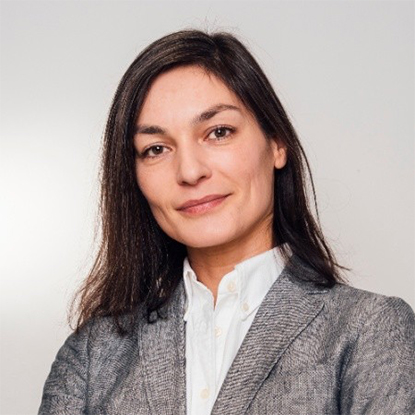
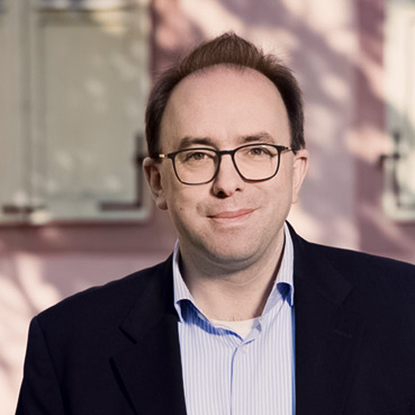
We asked some of the participants in the four programs about their reasons for participating in the MSCA program: